
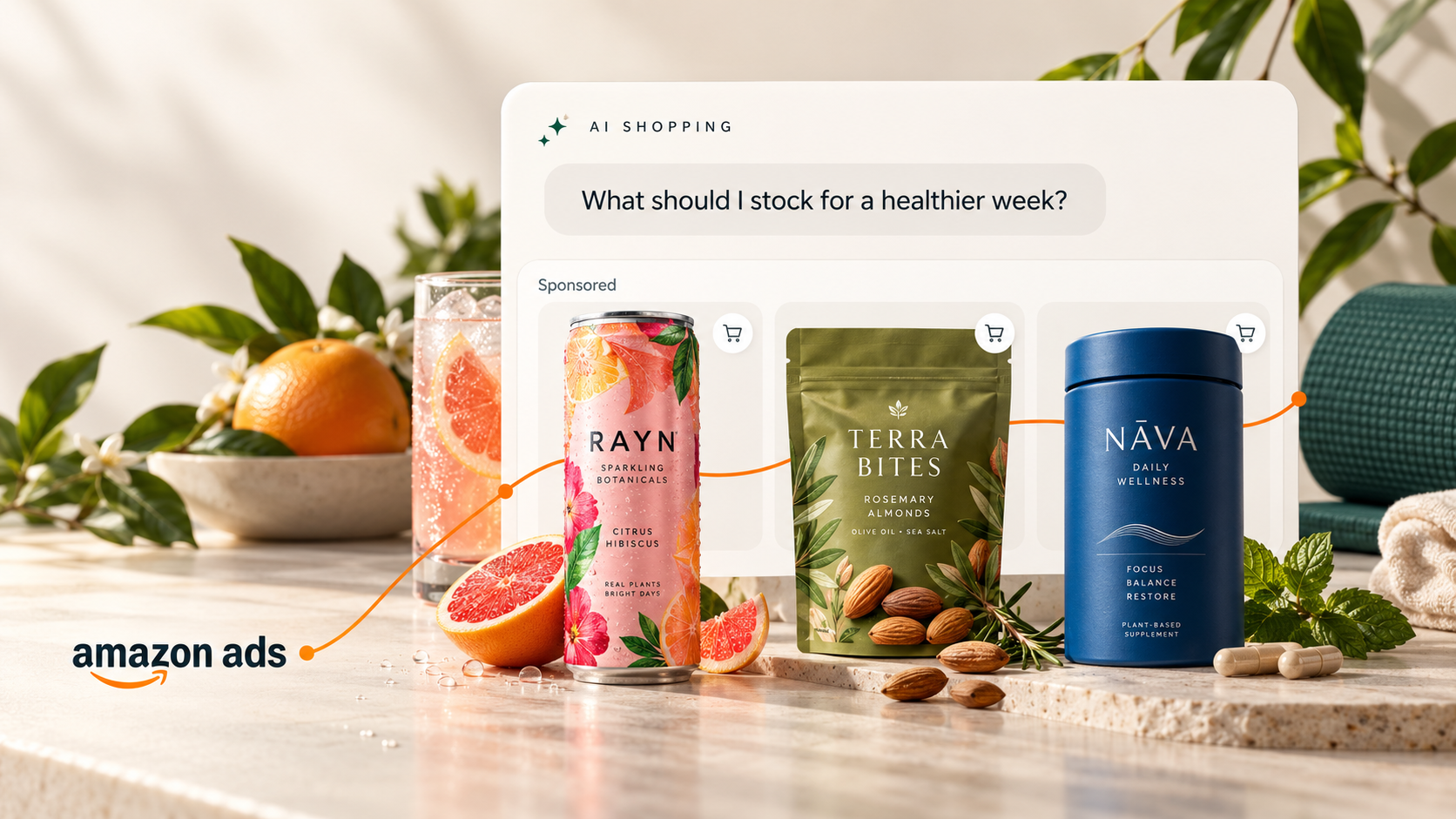
For the last decade, marketers have been trained to win attention…
Rank higher, reach more people, optimize media plans, and reduce funnel friction. 2027 will require a different mandate: build brands that can win decisions increasingly shaped by AI. That shift is no longer theoretical. In September alone, Amazon Ads announced an integration supporting advertising in ChatGPT; OpenAI introduced conversion-optimized campaigns and new AI-powered advertising experiences, including Sponsored Agents; and Mastercard expanded tools designed to help merchants make products discoverable and transactable across agentic commerce environments.
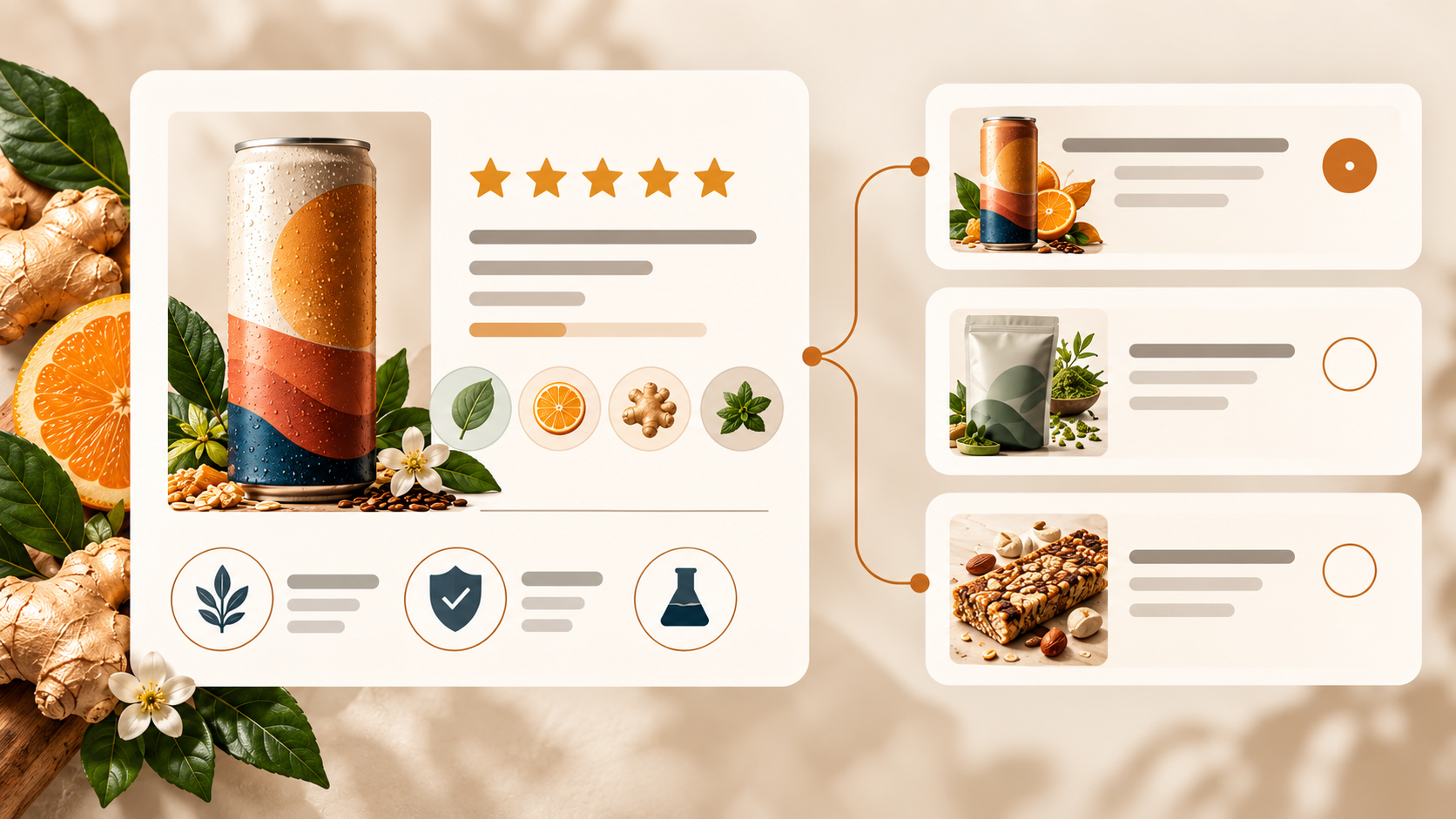
The implications go well beyond adding another media channel.
Conversational AI increasingly collapses discovery, research, comparison, and recommendation into the same experience. ChatGPT Ads, for example, considers conversational intent rather than relying solely on traditional keyword matching, while conversion optimization can account for both click- and view-driven outcomes. We are moving from an economy of searching to an economy of asking—and eventually, delegating. The consumer doesn't necessarily need to visit ten websites, compare 15 products, or understand every attribute. An agent can increasingly help do that work.
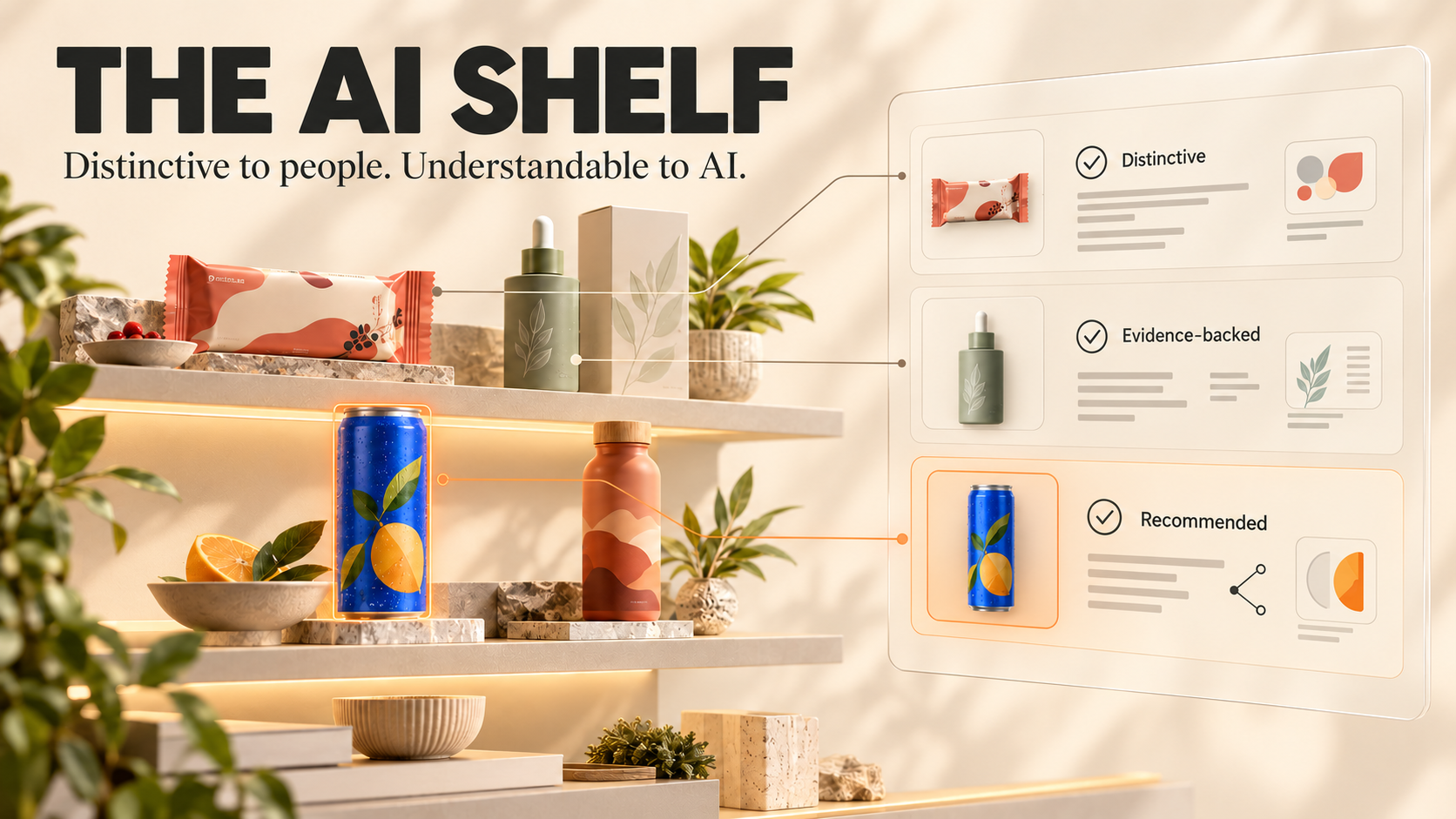
That changes the job of brand building.
When an AI system helps someone decide which protein bar to buy, which skincare product fits a particular need, or what beverage to bring to a party, your brand must be both emotionally distinctive to humans and exceptionally understandable to machines. Canopy Brand Group has described this emerging environment as the “AI Shelf”: the challenge is no longer simply whether consumers can find a brand, but whether AI can understand what makes it different, find credible evidence supporting that difference, and confidently surface it in a recommendation.
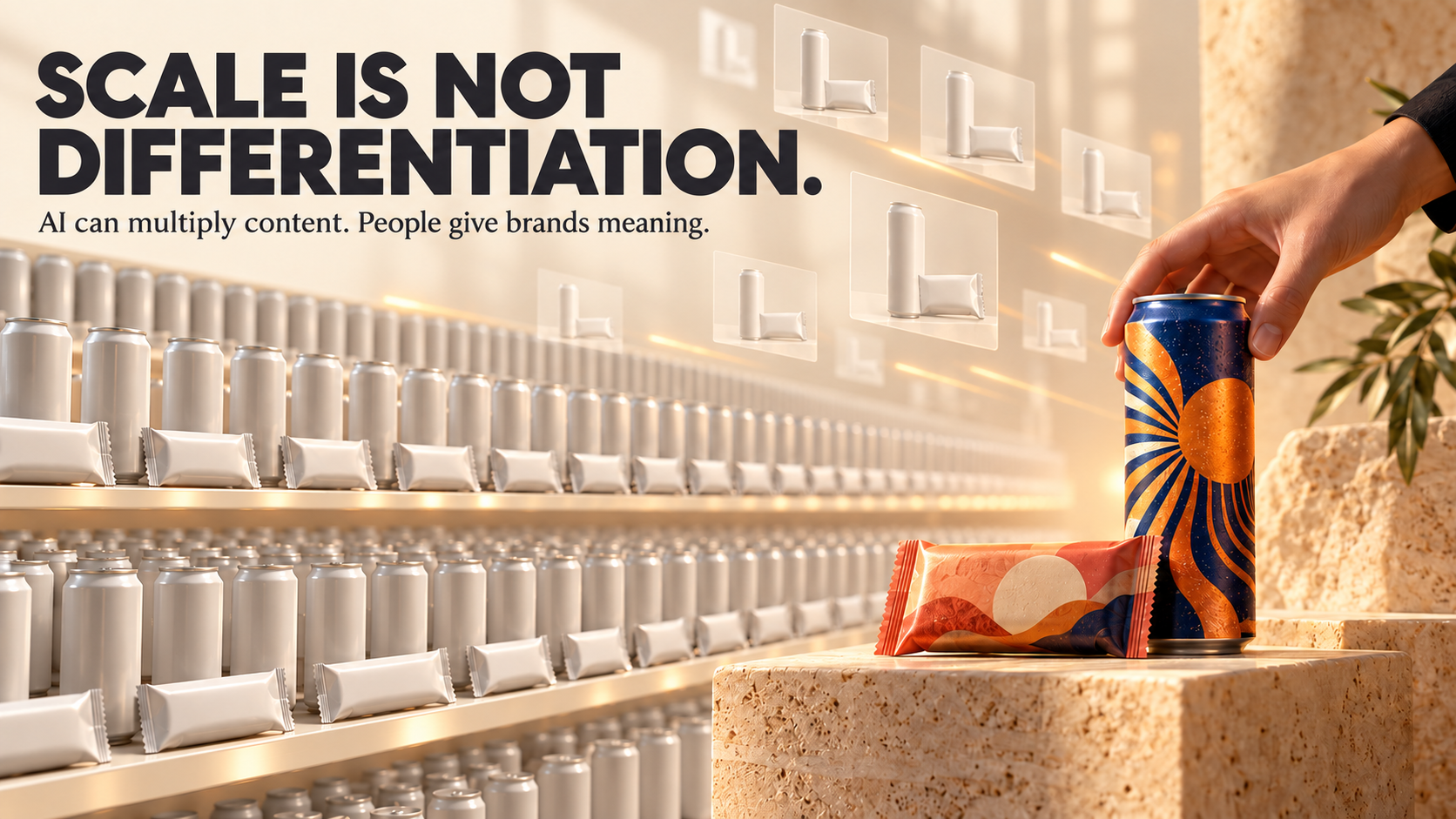
That creates an important tension for 2027.
AI will make content, optimization, and execution dramatically easier to scale—but scale is not differentiation. As more companies gain access to similar models and tools, average marketing will become cheaper and more plentiful. The scarce asset will be a brand with a clear point of view, distinctive meaning, and a product proposition worth recommending. This is why I believe the winners won't be the companies that race fastest to automate marketing. They'll be the ones that use technology to identify opportunities faster while investing even more deliberately in the human judgment, creativity, and emotional connection that make brands matter.

For leadership teams setting their 2027 agendas now, I would focus on four questions.
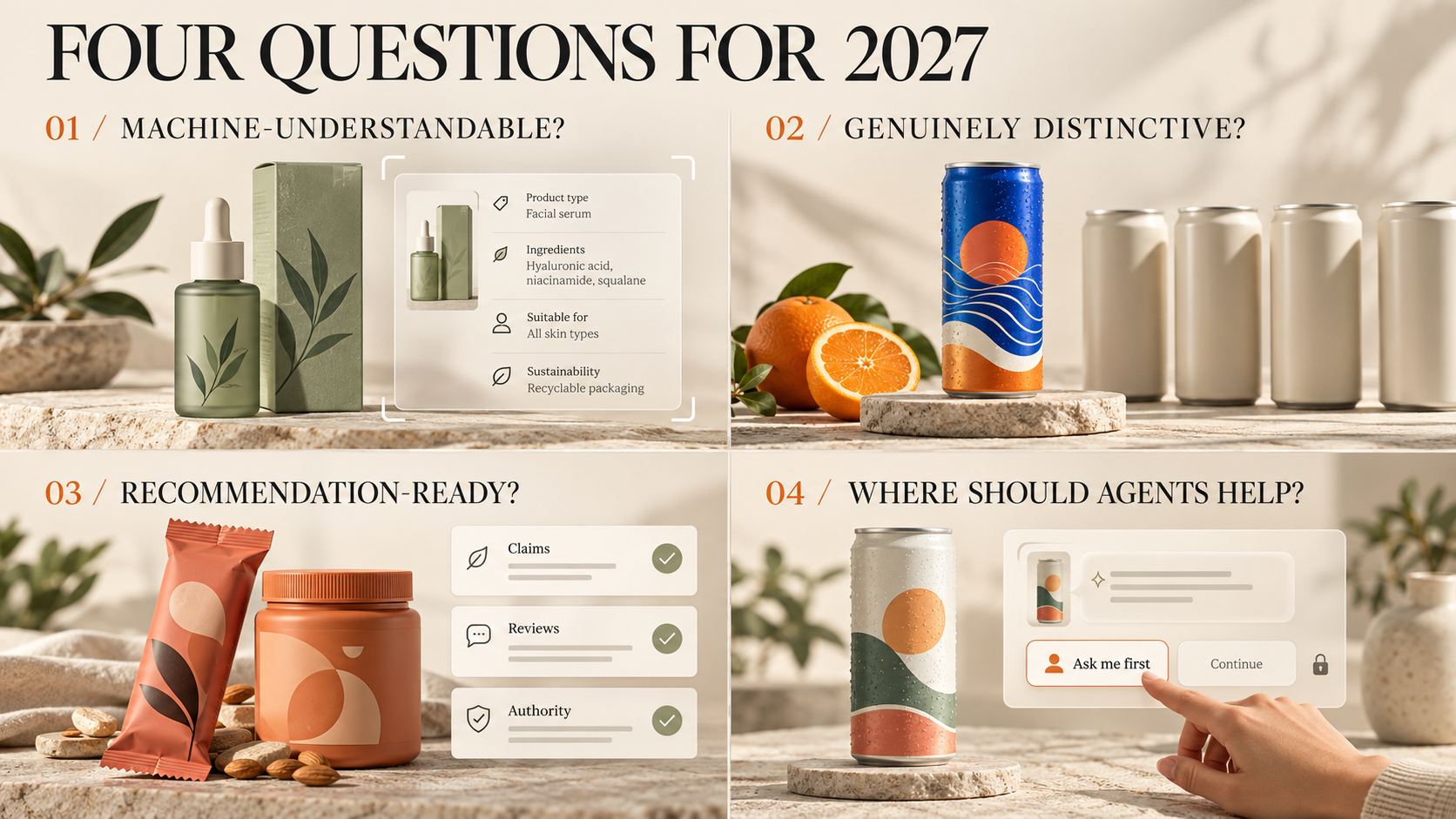
First, are we machine-understandable? Audit how AI systems describe your brand, products, claims, and competitive differentiation.
Second, are we genuinely distinctive? If competitors can make essentially the same claim, AI will only accelerate commoditization.
Third, is our product and content ecosystem recommendation-ready? Product information, substantiated claims, reviews, authority, and consistent digital signals increasingly become strategic brand infrastructure.
Fourth, where should agents actually participate in the customer journey? Not every interaction should be automated, and the emergence of agentic commerce is already raising legitimate questions about trust, privacy, security, and consumer control.
Canopy's combination of brand strategy and innovation is particularly relevant to what's next.
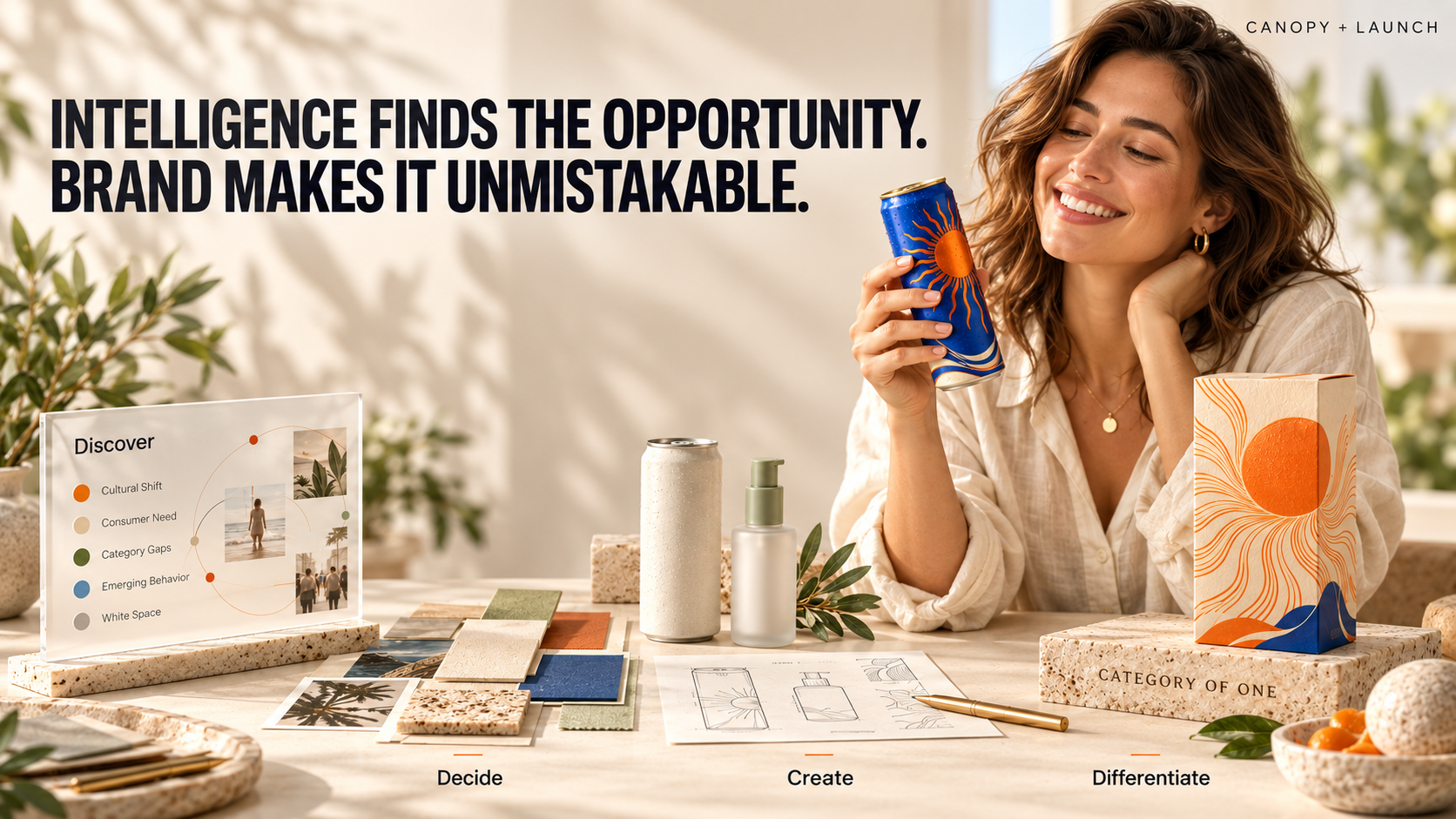
LAUNCH, their innovation arm, brings together cultural insight, consumer behavior, AI-assisted exploration, product strategy, and concept development to uncover whitespace and translate it into market-ready opportunities. Pair that with Canopy's emphasis on building a defensible “Category of One,” and there is a powerful proposition for this next era: use intelligence to discover the opportunity, human judgment to determine what matters, innovation to build something worth choosing, and brand to make that choice unmistakable.
My agenda for 2027, therefore, isn't “develop an AI strategy.”
Most organizations will have one. Build an organization—and a brand—that becomes more differentiated because of AI, not more generic because everyone has it. Marketing leaders should be connecting brand, innovation, product content, commerce, media, data and technology now rather than allowing each function to develop its own AI roadmap. The companies that do this well won't simply become more efficient marketers. They'll build brands designed to be discovered, understood, recommended, chosen and remembered—whether the decision begins with a person, an algorithm or an agent.

About Ethelbert Williams
Ethelbert Williams is a marketing, digital commerce, and growth executive, Board Director, advisor, and educator with leadership experience across PepsiCo, Johnson & Johnson/Kenvue, Boston Beer Company, Unilever, and Procter & Gamble. His work has spanned brand building, retail media, marketplaces, DTC, CRM, social commerce, and emerging AI-enabled shopping experiences. He has worked extensively across platforms including Amazon, Walmart, Target, Kroger, Instacart, DoorDash, and Uber, giving him an operator's perspective on how technology is reshaping consumer discovery and commerce. He serves on corporate and nonprofit Boards and advises executives and emerging companies on growth, innovation, and value creation. He is also a Northwestern University alumnus and educator and a frequent speaker on AI, omnichannel commerce, and the future of marketing. His current thought leadership explores the transition from traditional digital commerce toward AI-mediated discovery and agentic commerce. Across these roles, he helps leaders translate emerging technology into practical business advantage.